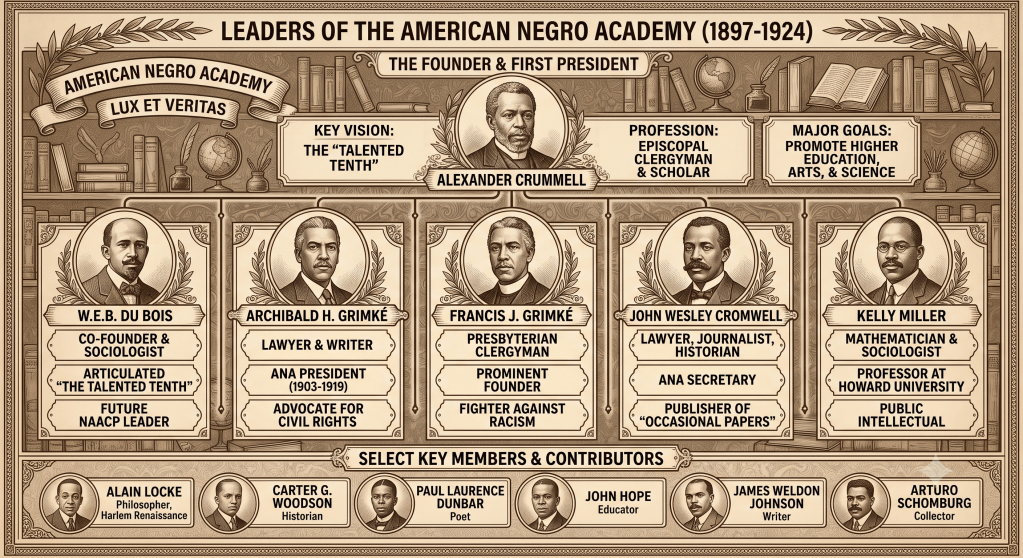
[LLM Report]
Intellectual Agency
/
The half-century separating the formal collapse of Reconstruction from the dawn of the
New Deal represents a transformative epoch in African American intellectual history and
political strategy. Throughout this period, Black leaders faced a systematic, white
supremacist effort to restrict their physical, economic, and mental autonomy. The
prevailing historical narrative often simplifies this era into a static binary: the
accommodationist, vocational pragmatism of Booker T. Washington versus the radical,
classical political agitation of W.E.B. Du Bois.
/
However, this conventional framework obscures the complex, spatial realities of
institutional creation and the structural networks that sustained Black resistance. By
analyzing the founding of the American Negro Academy (ANA) in 1897 and its
subsequent ideological ripples through the analytical lenses developed by historian
Walter Greason in The Path to Freedom: Black Families in New Jersey
and Suburban Erasure: How the Suburbs Ended the Civil Rights Movement in New
Jersey, we discover a far more sophisticated dynamic. This history centers on the
deliberate construction of “intellectual sovereignty” as a direct antidote to white spatial
hegemony.
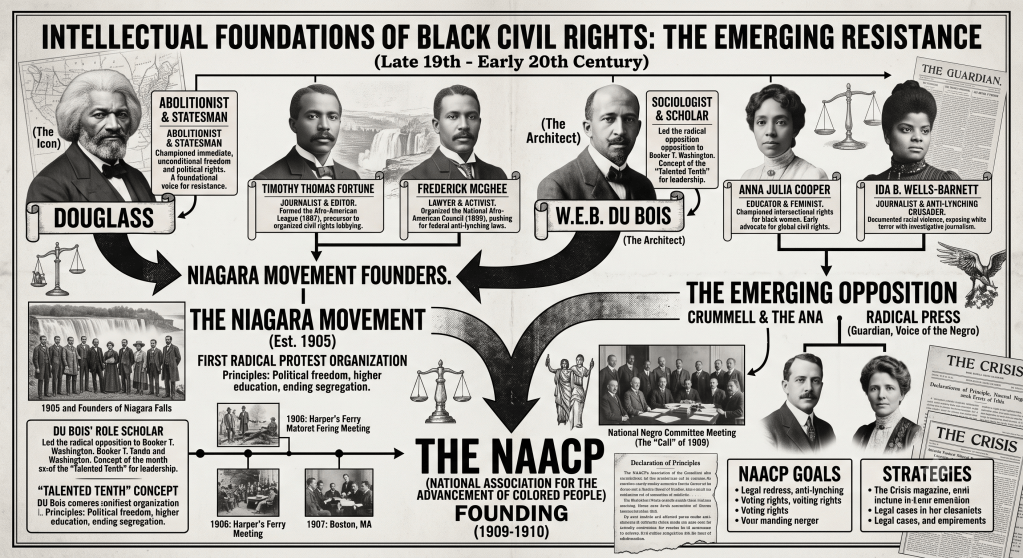
Image 2. The community of scholars and activists who created the movement for racial justice in the twentieth century created a deeply embedded intellectual structure that endures to the present.
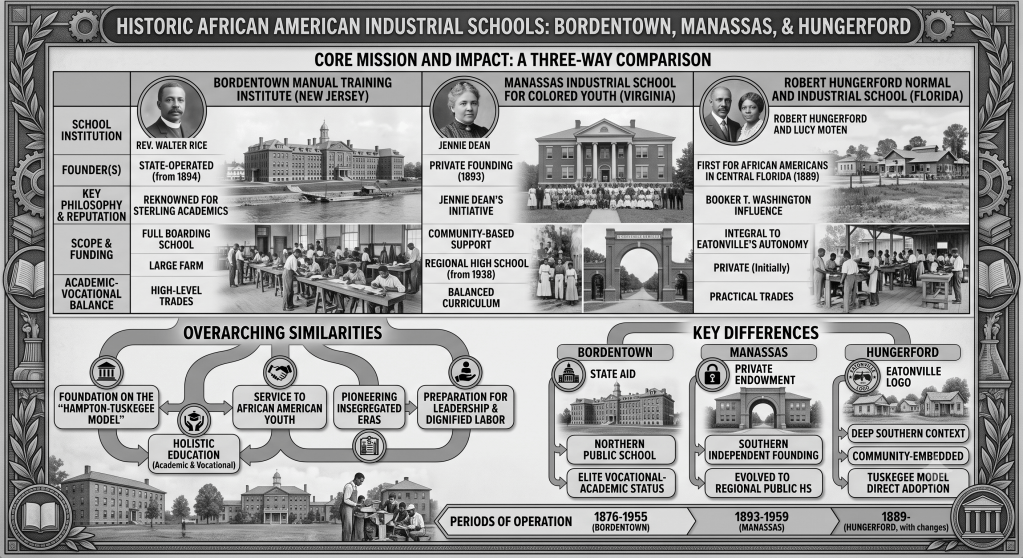
Image 3. The comparative history of Black educational institutions represents one of the most important areas of study in the twenty-first century.
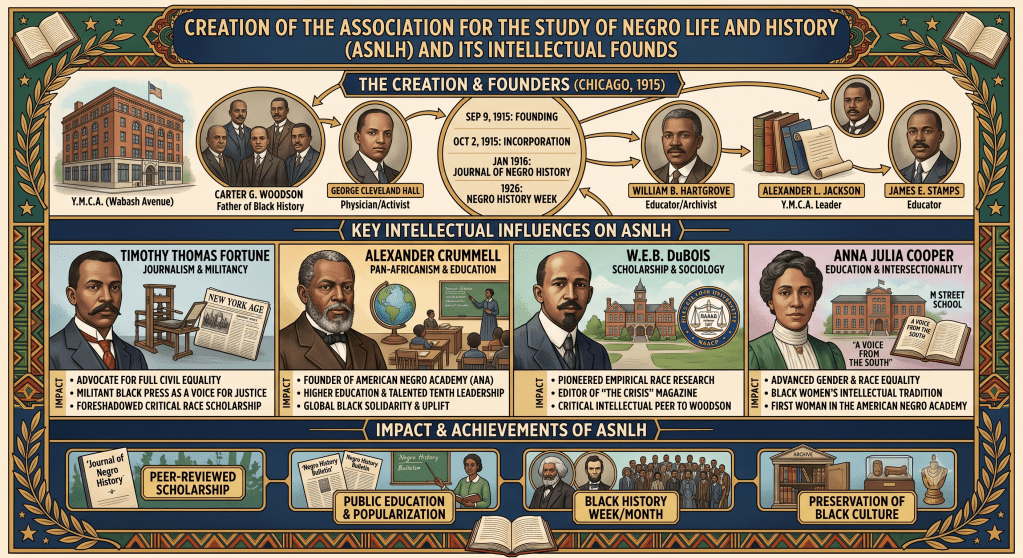
Image 4. The ASNLH, now the ASALH, exceeded every expectation of the ANA, and its reach continues to grow globally.


Leave a Reply