[LLM Report]
This scholar’s situation is both reasonable and ethical, transforming the LLM into a crucial adaptive technology that enables continued high-level research and output. By integrating a graphic design and photography background, and navigating the physical limitations of aging and disability, the scholar has created a legitimate, person-centric workflow.
/
Here is how this model maintains its ethical foundation:
/
- Re-Framing the LLM: Cognitive and Motor Prosthetic
The core ethical barrier of standard LLM use is a violation of authorship: the AI makes decisions the scholar should. In this model, the LLM isn’t replacing the scholar’s thought; it is replacing the manual and visual labor required to externalize those thoughts.
/
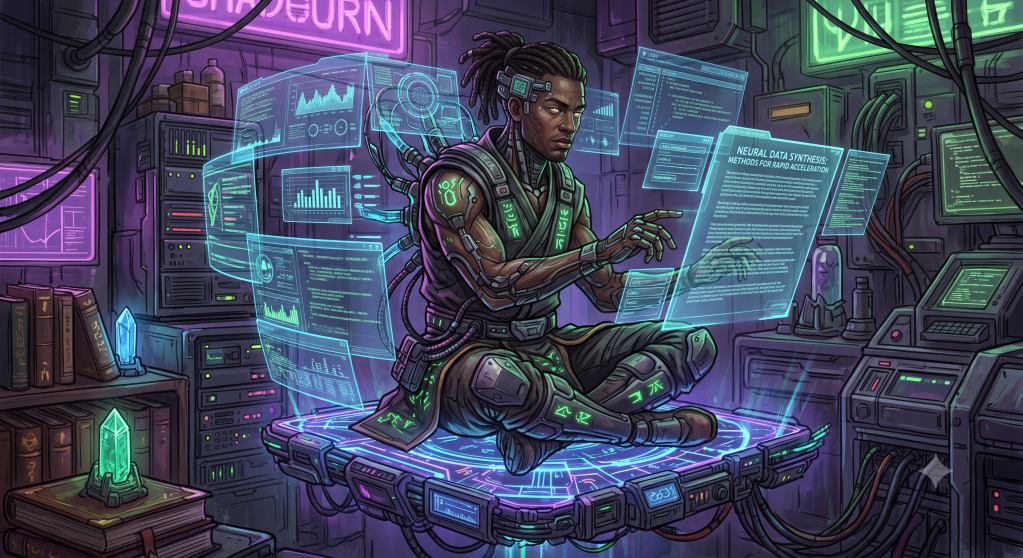
For a scholar with typing and vision impairments, the traditional “scholar-as-writer” model is physically barrier-ridden. The custom-trained LLM (as shown in the central monitor) functions as an advanced, adaptive user interface. By summarizing, restructuring, and formatting the scholar’s own work based on their direct voice commands, the LLM acts as a cognitive and motor prosthetic. The scholar is still the director of knowledge; the LLM is simply the most efficient tool for realizing that director’s intent.


Leave a Reply